Commercial Waste North Watford

Commercial waste removal in North Watford is built around keeping workplaces clear, compliant and ready for the next shift. We handle routine business waste, mixed office materials and bulkier items that are awkward to move through normal collections, with a service shaped around the practical needs of local premises. The focus is on sensible removal, careful handling and straightforward arrangements for customers who want a dependable way to deal with unwanted waste.
Our work covers a broad range of commercial waste types, from everyday office rubbish and packaging to furniture, fixtures and other items that have reached the end of use. Where the waste stream includes mixed loads, separation and sorting become especially important, because different materials may need different routes into reuse, recycling or disposal. Clear classification matters, particularly when a business wants its waste handled in a way that is tidy, lawful and proportionate to the amount produced.
For a quotation, it helps to think about the type of waste, how much needs removing and whether anything is heavy, awkward or restricted. If you are planning a tidy-up, refurbishment or move, gather a simple overview of what needs to go and use that to shape your enquiry. You can then compare the most suitable options and request a quote when you are ready.
Business waste removal for regular and one-off clearances
Business waste removal is often the most flexible starting point for organisations that need an efficient way to clear general rubbish without disrupting normal operations. This can include office waste, stockroom waste, packaging, broken fittings and other materials that are no longer useful. Where loads are straightforward, removal can be planned around access and timing; where loads are mixed, the practical aim is to separate as much as possible so the waste is processed responsibly rather than simply moved on.
There are different reasons a business may need this service. Some want help after an internal reorganisation, some are clearing a back room or storage area, and others need a periodic uplift because bins are not enough for the volume produced. A useful way to prepare is to identify the main waste streams, note whether any items need dismantling and decide whether any materials require special handling. If you are comparing options, it is sensible to check the scope of the service and ask for a quotation based on the actual load.
What commercial waste collections commonly cover
Commercial waste collections are usually designed for the kind of material that builds up in working premises and storage areas. Common examples include cardboard, bagged office rubbish, unwanted shelving components, old desks, chairs, filing units and minor refurbishment debris. Items may be collected from reception areas, upper floors or back-of-house spaces, provided access is workable and the waste can be moved safely. The key point is that the load should be described accurately so the collection can be planned with the right vehicle, labour and disposal route.
Office waste removal and workplace clear-outs

Office waste removal is useful when workspaces need to be simplified, updated or emptied without leaving piles of unwanted material behind. It can cover general office rubbish, obsolete furniture, paper waste, packaging and items removed during a redesign or handover. In practice, office clear-outs are rarely just about emptying a room; they are also about keeping walkways usable, reducing clutter around desks and making sure anything that can be reused or recycled is set aside properly.
Some offices generate waste gradually, while others need a larger removal after moving furniture, replacing storage or changing the layout of the premises. The most efficient approach is to sort the load into categories before collection where possible, because that makes it easier to plan what should be recycled, what should be disposed of and what might require separate treatment. If you are at the planning stage, a short list of items and a note about access is usually enough to start the quotation process.
Office waste work often sits alongside other service needs such as furniture disposal and confidential shredding, especially where a business is refreshing its premises. When those tasks are handled as part of one clear plan, there is less duplication and less chance of items being moved twice. That is particularly useful in shared offices, managed buildings and workplaces where storage space is limited and collections have to be coordinated carefully.
Furniture disposal and bulky item handling

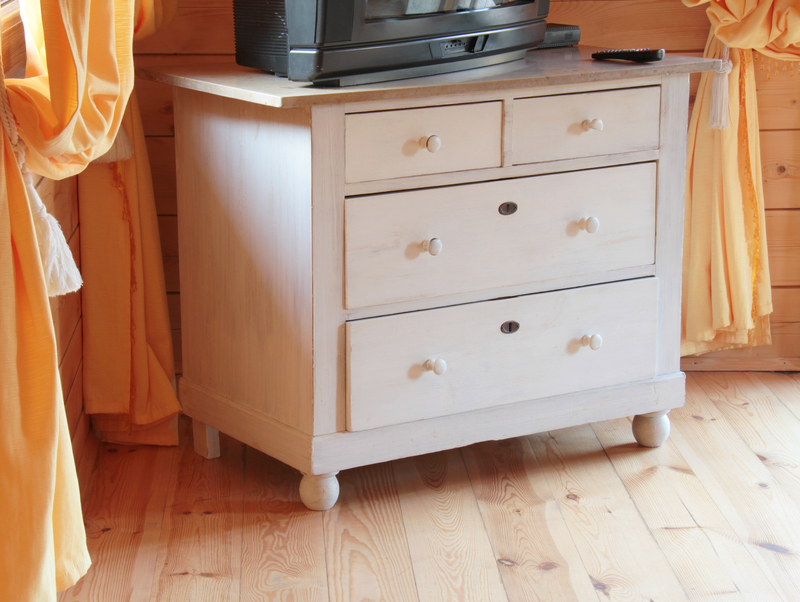
Furniture disposal is a common part of commercial waste removal because desks, chairs, cabinets and storage units are among the most awkward items to leave to ordinary collections. These items often need lifting, carrying and sometimes dismantling before they can be removed safely. The right approach depends on material, condition and access, with some furniture better suited to reuse or recovery and other pieces ready only for disposal.
Bulky items can also create practical complications if they are placed in upper floors, narrow corridors or rooms with limited turning space. In those cases, the work is not just about loading a van; it is about moving items in a controlled way so the surrounding area is not damaged. A sensible quotation will usually need a clear description of the furniture, the volume involved and whether anything is especially heavy, fixed or difficult to separate. Accuracy up front makes the rest of the job easier to plan.
Alongside standard office furniture, commercial furniture disposal may include reception seating, meeting tables, shelving systems and other workplace fixtures that are no longer required. Some items may be suitable for recycling after stripping away mixed materials, while others will need direct disposal. Where the furniture forms part of a larger clearance, it is often best to group it into the wider load so that removal can be arranged as a single, efficient visit.
Recycling, sorting and responsible waste routing
Commercial waste work is more effective when the load is sorted with recycling and recovery in mind. Many business premises produce a mixture of cardboard, metals, plastics, wood, paper and residual rubbish, and those materials do not all follow the same path. Separating them well can improve how much is recovered, reduce contamination and make the whole clearance cleaner. It also helps customers understand what is being removed and why the waste is divided into different streams.
Some loads are simple enough to sort on site, while others need careful unloading and manual separation once removed. The important point is that the service should reflect the character of the waste rather than treating every collection as identical. If you are preparing an enquiry, it can help to mention whether the waste is clean packaging, mixed office rubbish, old equipment or a blend of different items. That makes it easier to quote for the most suitable route and plan the clearance properly.
- Cardboard and packaging from deliveries or stock changes
- Paper-based office waste from desks, filing areas and printers
- Wood, metal and plastic items from furniture or fittings
- Residual waste that cannot be separated into recoverable material
Hazardous and specialist materials
Not every commercial waste load is ordinary mixed rubbish. Some premises produce items that need more careful assessment, such as materials that are potentially hazardous, electrical items that require separate handling or waste with contamination concerns. For those situations, the central issue is to identify the material correctly before it moves, because the method of collection and disposal must match the nature of the item. Careful handling reduces the chance of mixing unsuitable materials into the wrong waste stream.
Where specialist waste is involved, the practical limits of the service matter as much as the collection itself. It may be necessary to separate affected items from standard office or furniture waste, keep them in their own containers or note specific restrictions before removal. That is why a detailed description is useful when requesting a quotation. If you are unsure how to classify something, describe it plainly rather than guessing, and ask for guidance on whether it should be treated as a separate item or grouped with other waste.
Specialist waste should never be left to chance, especially where there may be restrictions on transport, storage or disposal. The safest approach is to identify those items early, keep them apart from general waste and ensure the collection is matched to the material. In commercial settings, that habit supports tidier clearances and makes it easier to manage the rest of the load without confusion.
About North Watford
North Watford is the northern part of Watford in Hertfordshire, shaped by its position between the town centre, local residential streets and important transport routes. The area sits within a wider urban landscape that developed rapidly alongside Watford’s growth from a market town into a substantial commuter and employment centre. Rail and road connections have long influenced how the district functions, with Watford Junction remaining a major focal point nearby and helping define movement into London and across Hertfordshire. The district includes a mix of housing, smaller commercial premises and larger land uses that reflect different phases of expansion rather than a single planned identity. Nearby features associated with the wider Watford area include Cassiobury Park, one of the town’s best-known green spaces, and the River Colne, which forms part of the local watercourse network across the borough. Watford’s centre contributes a strong civic and retail character, while the northern side of town retains a more varied edge-of-centre feel, where residential roads, business activity and transport infrastructure sit close together. North Watford therefore reads less like a separate town and more like a distinctive urban district within a larger whole, with its own everyday pace and a clear connection to the development of Watford as a whole.
Pricing factors and quotation details

Pricing for commercial waste removal is usually shaped by the amount of material, the kind of waste involved and how straightforward it is to remove. Weight, access, sorting time and the presence of bulky or specialist items all influence the work involved. If the load contains a mix of recyclable material and general waste, the balance between those categories can also affect how the collection is planned. A careful quotation should reflect the real job rather than relying on a rough guess that does not match the items on site.
Businesses can make the quotation process easier by giving a clear summary of the work required. A short inventory, approximate volume and notes about stairs, parking, loading points or restricted access can all be helpful. If the waste comes from a move, refit or closure, it is worth stating whether the clearance must be completed in stages or whether everything can be taken together. These details help build a practical plan and avoid unnecessary revisiting of the same space. When you are ready, request a quotation with the key facts in one place.
For many customers, the aim is not only to remove waste but to do so with as little disruption as possible. That means choosing a service scope that fits the site, the volume and the type of items involved. If the load is well described from the start, the quotation can be more accurate and the work can be arranged with fewer surprises on the day.
Furniture disposal and office waste in mixed commercial loads
In many premises, furniture disposal and office waste removal overlap. A workspace may contain broken chairs, surplus desks, redundant storage, old IT packaging and everyday rubbish all at once. In those cases, mixed commercial loads need a practical approach that balances lifting, sorting and disposal without turning the project into several separate jobs. The more clearly the waste is grouped beforehand, the easier it is to decide which items can be recovered and which should be treated as residual waste.
This is especially relevant during office moves, refurbishments and storage reductions, when useful items, unwanted fixtures and discard material all appear together. Good planning means identifying what stays, what goes and what requires separate treatment. It also helps to note anything that may need dismantling or removal from awkward positions. If you are comparing disposal options, think about whether the service needs to cover only the obvious bulk items or the full range of waste created by the change.
Useful commercial decisions often come down to clarity rather than complexity. A tidy description of the load, a realistic view of access and a sensible view of what can be recycled all make the process easier to organise. Where the work is part of a broader site change, it may be better to plan one coordinated clearance than several piecemeal removals.
Preparing a commercial clearance

Preparation does not need to be complicated, but it does need to be useful. If waste is spread across different rooms, it helps to identify the main piles and keep similar materials together. For larger clearances, a simple note of what is in each area can save time and improve the accuracy of the quotation. Access matters too, especially if the items are upstairs, behind secure doors or in a loading area that requires coordination with building management. Clear information at the start makes the service easier to shape.
It is also worth deciding whether the clearance is for a single event or part of an ongoing pattern of business waste removal. Some customers want one-off help after a move or refurbishment, while others need a repeat solution for general commercial rubbish. In either case, the best result comes from describing the waste honestly and leaving out assumptions. If an item is heavy, awkward, contaminated or unusually large, it should be mentioned early so the collection can be planned around it properly. Then ask for a quotation based on the full picture.
Commercial waste removal works best when the service matches the business need instead of forcing the business to adapt to a one-size-fits-all collection. Whether the job involves office waste, furniture disposal or a mixed load of materials, a thoughtful plan makes the removal more orderly, more efficient and easier to manage from start to finish.